During the China‑Russia Year of Education, educational exchanges between the two countries flourished. The 14‑day “Advanced Study Program on Green and Low‑Carbon Energy Development and Capacity Building for Scientific and Technological Innovation”, hosted by Taiyuan University of Technology (TYUT) for faculty members and students from Saint Petersburg Mining University (SPMU), has come to a successful conclusion. Throughout the program, the 18 Russian faculty members and students immersed themselves in a tour of Shanxi Province. They visited university laboratories to explore cutting‑edge engineering achievements, toured mining and industrial enterprises to observe real‑world practices for industrial transformation and upgrading, and experienced Shanxi’s rich cultural heritage to appreciate the profound richness of Chinese civilization. They gained first‑hand insights into talent cultivation outcomes and innovative vitality at Chinese universities in the new era.
Knowledge Meets Practice: Rooted in Engineering for Energy Innovation
As a Double First‑Class university renowned for its engineering strengths, TYUT has built on the two institutions’ established cooperation in mining and energy disciplines and designed a targeted, specialized study curriculum for the Russian participants.
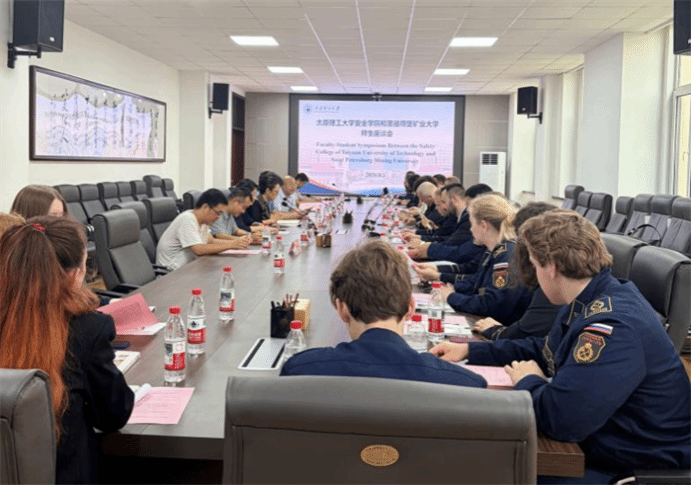
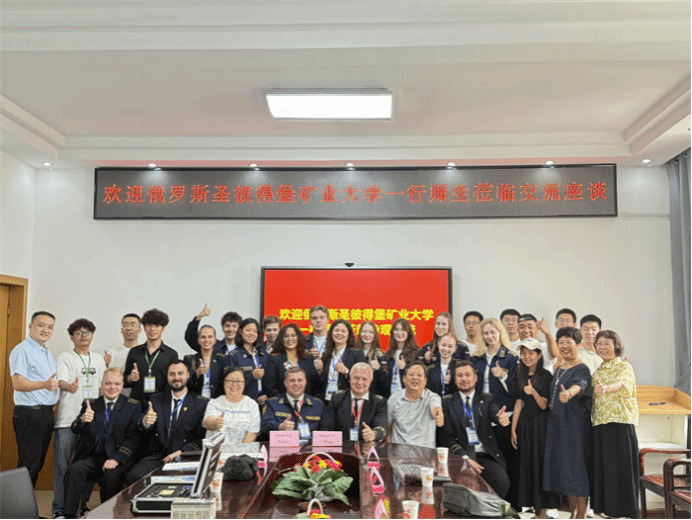
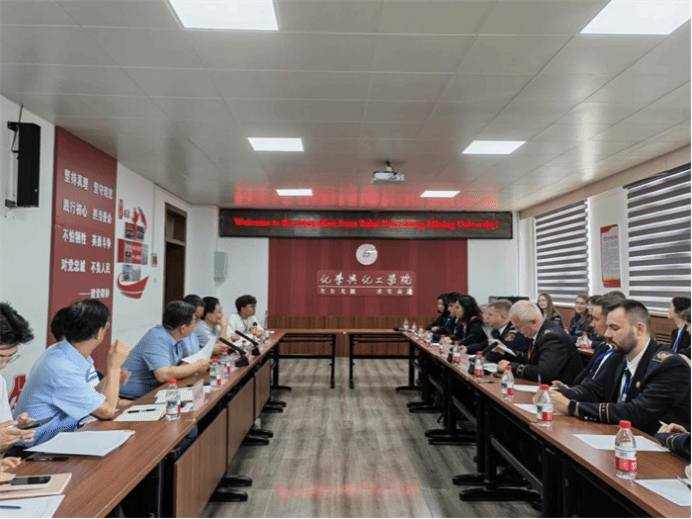
The visiting faculty and students toured the College of Chemistry and Chemical Engineering, College of Safety and Emergency Management Engineering, College of Electrical and Power Engineering, and College of Mining Engineering. They visited research platforms including the remnant coal mining laboratory, green mining laboratory, and geothermal research site, and acquired systematic knowledge of the university’s research priorities in intelligent mining, green mine construction, and low‑carbon energy transition, as well as its Double First‑Class talent development system. At the National Innovation Center for Intelligent Lighting and Smart Wearable Technology (under preparation), the group had hands‑on experience with advanced intelligent equipment and witnessed how digital and intelligent technologies drove the upgrading of traditional industries. They spoke highly of the university’s model featuring deep industry‑academia‑research integration.
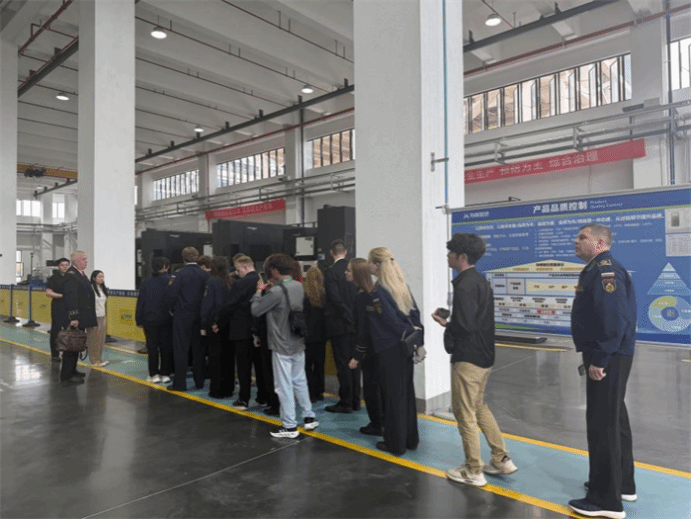
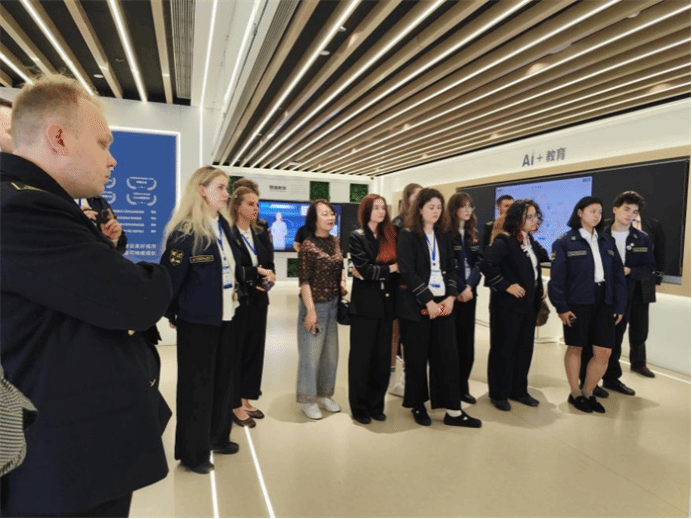
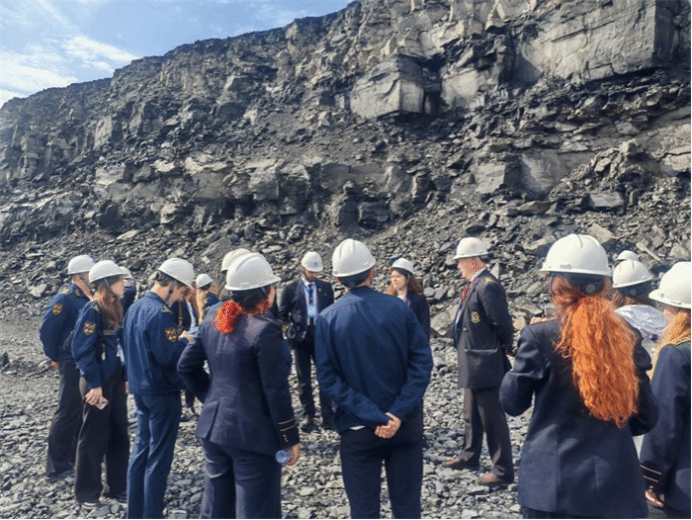
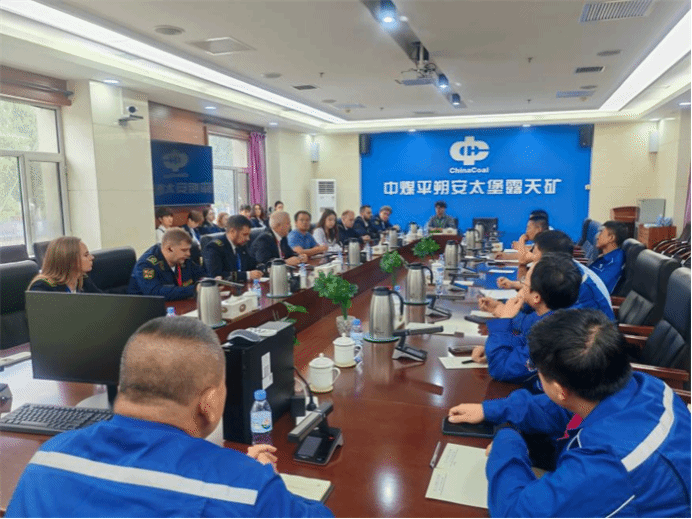
Based on the distinctive progress of Shanxi’s comprehensive energy revolution reform, the study group visited benchmark enterprises and industrial bases: TYHI Group Xiangming Intelligent Equipment Co., Ltd., iFLYTEK, Shanxi Donghui Modern Agriculture Group, and the Antaibao Open‑Pit Coal Mine. They conducted on‑site investigations into intelligent mining, high‑end equipment manufacturing, industrial-scale artificial intelligence applications, and green development in modern agriculture. Meanwhile, the two universities held multiple thematic symposiums covering discipline development, talent cultivation, and joint research. Representatives from the Departments of Mining Engineering, Mineral Processing Engineering, Underground Engineering and Coal Mine Electromechanical Engineering presented the university’s disciplinary achievements and educational strengths. Faculty and students from both sides engaged in in‑depth discussions on intelligent‑mining development, international research collaboration, and joint cultivation of young talents, laying a solid foundation for future disciplinary cooperation and joint research initiatives.
Cultural Exchange: Immersed in Ancient Shanxi for a True Multidimensional China
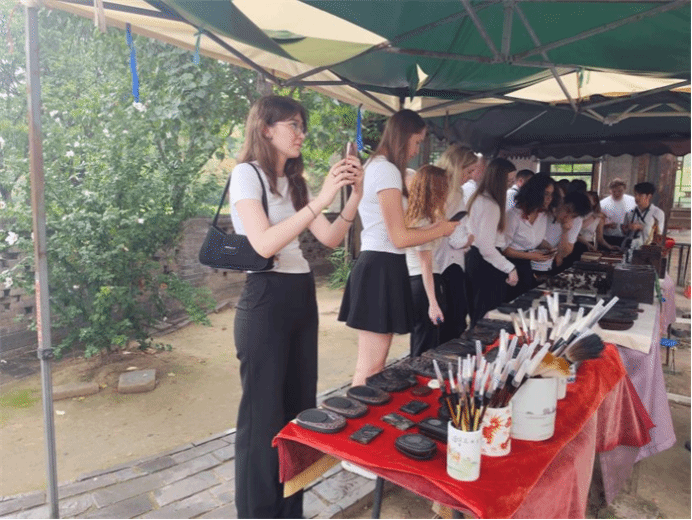
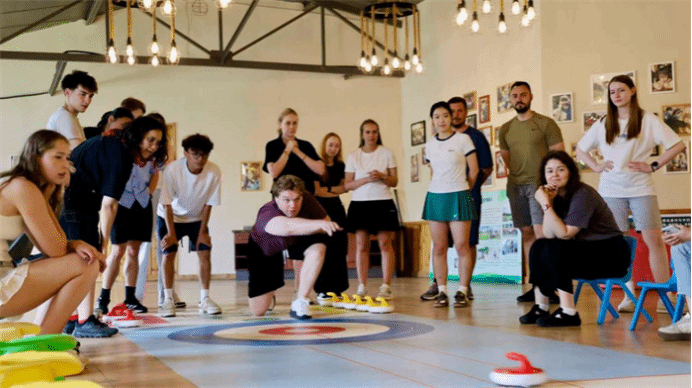
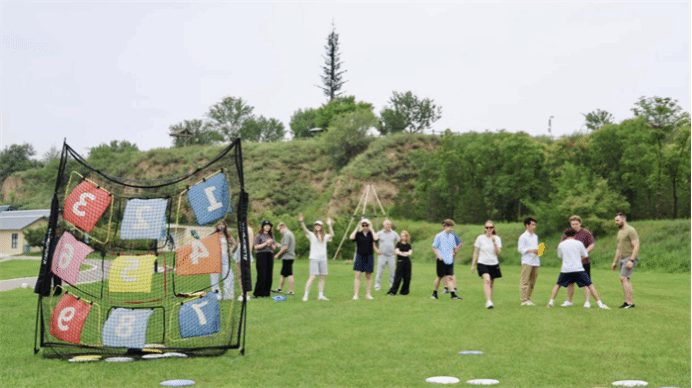
The program placed equal emphasis on academic and scientific exchanges and people‑to‑people cultural engagement. Participants visited key cultural landmarks: the Shanxi Museum, Donghu Vinegar Garden, Twin Pagoda Temple, and Chang Family Manor. They traced Shanxi’s profound history through ancient bronze artifacts, appreciated time‑honored traditional craftsmanship embodied in vinegar‑making intangible cultural heritage, and experienced Chinese aesthetics and cultural confidence amid urban scenes that integrate tradition and modernity. Diverse cultural experiences and warm interactions between Chinese and Russian participants enabled Russian students to feel the hospitality of the Chinese people. The program achieved its core objectives: fostering emotional bonds through culture, building solidarity through mutual understanding, and advancing practical cooperation through friendship.
Completion and New Prospects: Built on Program Gains for Enduring Cooperation
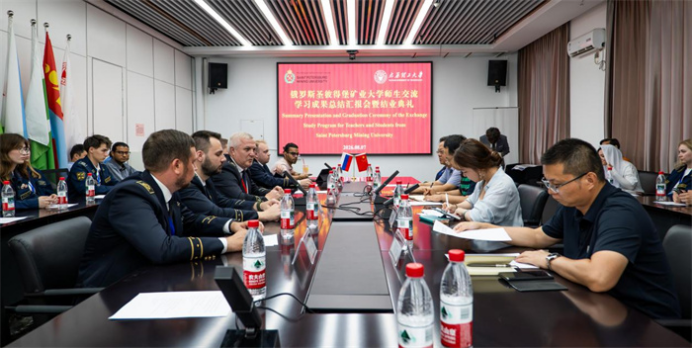
On the afternoon of August 7, TYUT hosted an outcome‑sharing session and closing ceremony in Room G601, International Education Building, Yingxi Campus. Faculty and student representatives from both universities gathered to reflect on their friendship and discuss avenues for future cooperation. The ceremony opened with a highlight video recapping the study tour. The head of the Department of International Cooperation congratulated the Russian participants on completing the program. He noted that this program constituted a vivid example of Sino‑Russian higher education opening‑up and cross-border talent cultivation cooperation. He encouraged Russian faculty and students to return home as ambassadors of China‑Russia friendship and bridges of inter‑university ties, and extended a sincere invitation for SPMU to deepen long‑term collaborative ties with TYUT.
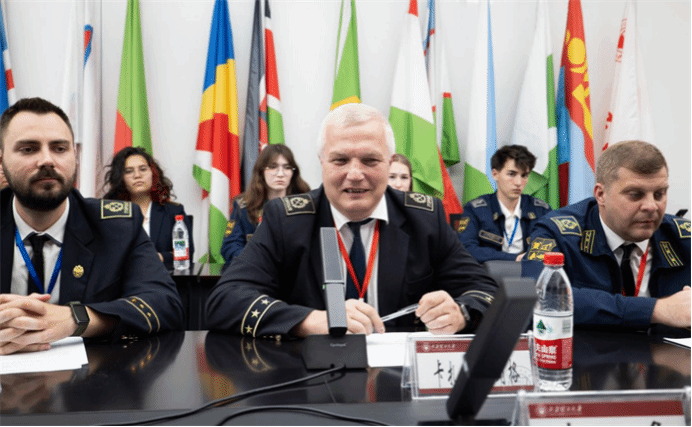
Professor Oleg I. Kazanin, Dean of the Faculty of Mining at SPMU, delivered remarks on behalf of the Russian side. He expressed sincere gratitude for the thoughtful organization, well designed curriculum, and warm hospitality extended by TYUT. He remarked that TYUT’s impressive achievements in intelligent mining, green energy and industry‑academia‑research integration are truly remarkable. He proposed deeper cooperation between the two universities in joint scientific research, faculty‑student exchanges, youth talent development and academic exchanges, to further elevate the profile of Sino‑Russian university‑level science and education cooperation. Russian faculty and student representatives shared their takeaways from the program, noting that they had gained professional knowledge, broadened their horizons, and formed lasting friendships. At the conclusion of the ceremony, completion certificates were awarded to all Russian participants.
This Sino‑Russian study exchange further strengthened mutual academic learning and joint research foundations between the two universities in energy mining, intelligent mining and technological innovation, and deepened heartfelt friendship among young Chinese and Russian participants. As a national Double First‑Class institution, TYUT will remain committed to open education, continue expanding its global partnership network, strengthen people‑to‑people ties through youth exchanges, and deliver mutual benefits via scientific and educational collaboration. Moving forward along the Silk Road of Sino‑Russian educational cooperation, the university will continue to write new chapters for high‑quality opening‑up in higher education.


 Go Back